
If you’re a fan of online sports betting, you may have come across the term “Apple Pay bookmakers not on GamStop ioshconference.co.uk” in discussions about secure payment methods. One such payment method that stands out due to its convenience and security is Apple Pay. However, it’s surprising to find that many bookmakers do not accept this popular payment method. This article delves into the reasons why Apple Pay is often left off the list of accepted payment methods by bookmakers, the implications for users, and alternative options available for online betting enthusiasts.

What is Apple Pay?
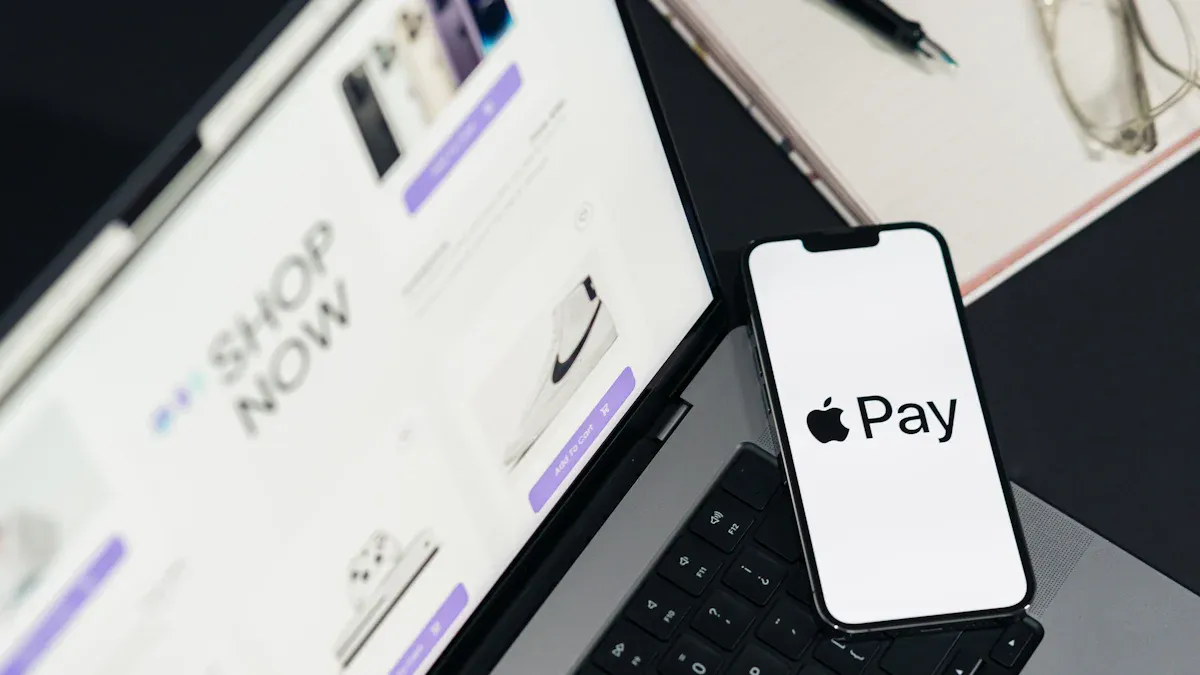
Apple Pay is a digital wallet and mobile payment service developed by Apple Inc. that allows users to make payments in person, online, and in apps using their Apple devices, including iPhones, iPads, and Apple Watches. It supports a variety of payment solutions, aiming to simplify transactions while maintaining high security. Users can link their credit or debit cards to their Apple Pay accounts and make seamless transactions without the need to carry physical cards or cash.
The Benefits of Using Apple Pay
- Security: Apple Pay employs encryption and tokenization processes, making it a secure way to conduct transactions.
- Convenience: The ability to pay quickly with just a touch or a glance (with Face ID or Touch ID) enhances user experience.
- Privacy: Apple Pay does not store or share your card number with merchants, preserving your privacy during transactions.
Why Are Bookmakers Not Adopting Apple Pay?
Despite the numerous benefits that Apple Pay offers, you will notice that many online bookmakers do not accept this payment method. There are several reasons for this discrepancy:
Regulatory Concerns
The gambling industry is heavily regulated, and operators must comply with various legal requirements depending on their jurisdiction. Some bookmakers may perceive using Apple Pay as a compliance risk due to the complexities of digital payments in gambling transactions. They may fear that Apple Pay’s regulatory framework might not align with the specific legal requirements they must adhere to.
High Transaction Fees
Payment processors often charge transaction fees for each payment processed. While Apple Pay transaction fees are competitive, some bookmakers may find them higher compared to other payment methods, particularly when integrated into their systems. This could deter operators from adopting it as a payment option.
Limited Audience
Not every potential customer uses Apple Pay. Many online bettors are located in regions where Apple Pay is not available or popular. As a result, bookmakers may choose to prioritize payment methods that appeal to a larger segment of their audience, leading to the exclusion of Apple Pay.
Technological Integration Challenges
Integrating new payment systems into existing infrastructure can pose technical challenges. Bookmakers may lack the necessary resources to implement and support Apple Pay alongside other payment methods. This uncertainty m

ay result in them opting for more established systems that they can manage more easily.
Implications for Users
For users, the lack of Apple Pay as a payment option can have several implications:
Inconvenience
For regular Apple Pay users, the absence of this payment method can complicate their betting experience, forcing them to find alternative methods that may not offer the same level of security or convenience.
Increased Hesitation
Users may hesitate to share personal banking information with bookmakers. Apple Pay provides a layer of security and privacy that other payment options may not offer, leading some users to be cautious about using alternative payment methods.
Alternative Payment Options for Online Bettors
While Apple Pay is not universally accepted among bookmakers, there are various alternative payment options available that punters can consider:
- Credit and Debit Cards: Most bookmakers accept major credit and debit cards, making them a common choice, despite the increased risk of fraud.
- e-Wallets: Platforms like PayPal, Skrill, and Neteller provide relatively quick transactions and can be linked to a bank account or card.
- Cryptocurrencies: An increasing number of bookmakers now accept cryptocurrencies, offering a high level of transaction anonymity and security.
- Bank Transfers: Direct bank transfers are an option, though they can take longer to process compared to digital wallets.
Conclusion
In summary, the absence of Apple Pay as a payment option among many bookmakers can be attributed to regulatory concerns, high transaction fees, limited audience appeal, and technological integration challenges. While it does present inconvenience for users preferring this method, alternative payment solutions cater to a diverse audience with various preferences. Ultimately, as technology and the digital payment landscape evolve, we may see changes in the payment options offered by bookmakers, including a potential future acceptance of Apple Pay.
