
Working within end-of-life care across the United Kingdom, I continually observe a gentle, profound need. People require moments of simple connection that remain separate from the clinical schedule. At its heart, good hospice care seeks to honour the whole person, not just the patient. It strives to provide dignity and comfort when life is closing. It was in this tender world that I came across something that felt out of place, yet was deeply moving. Some hospices were employing the Spaceman Game, a popular online slot machine, to interact with patients and spark memories. This article explores that practice. It asks how a digital game about a cartoon astronaut in a bright, starry setting could possibly fit inside the solemn, kind atmosphere of a UK hospice. We will consider the therapy goals behind it, the practical and ethical questions it raises, and what it might mean for personalised care at the end of life. This is about where today’s digital culture encounters the ancient practice of palliative compassion.
Unveiling the Spaceman Game: Gameplay and Popularity
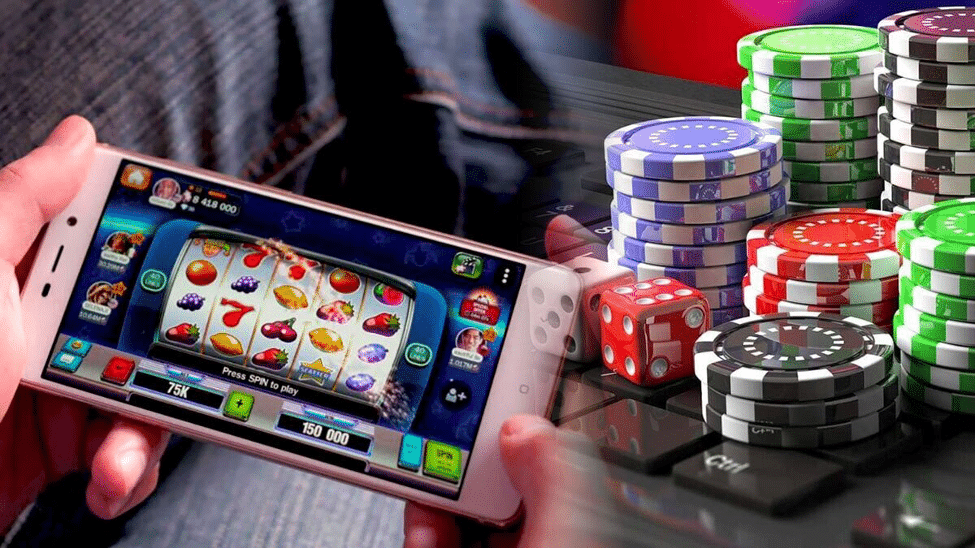
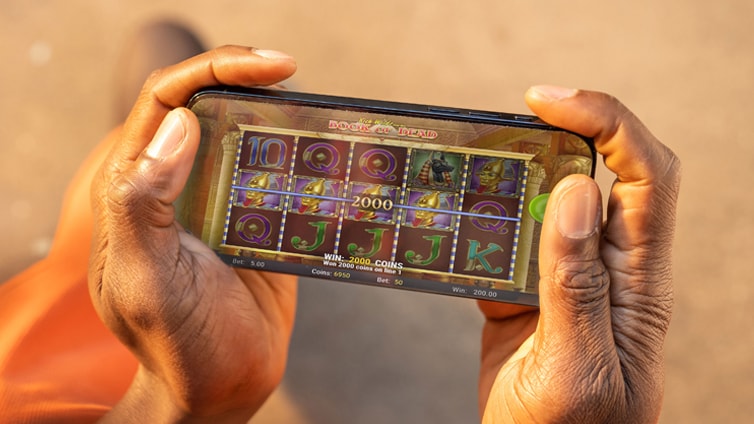
Before we examine its role in care, we should explore what the Spaceman Game is. It’s an online slot game, typically played on a website or an app. You identify it by its simple, cartoonish style: a little astronaut character against a field of stars. How it works is simple. A player places a bet and starts the ‘spaceman’ into a multiplier round. The spaceman climbs next to a grid of increasing multipliers. The player has to hit ‘cash out’ before the spaceman randomly crashes to lock in the multiplier on their bet; wait too long and you miss your stake. People like it for that tense, instant feedback and the bright, playful graphics. It’s not a story-heavy video game. It asks very little from your brain or your hands, giving quick little bursts of fun. For many, especially older people who recall fruit machines, it feels like a familiar kind of light entertainment. Because it’s digital, you can play it on a tablet or phone. That renders it easy to bring to someone who can’t move much. Looking at its features, its possible value in a therapy setting became clear to me. The value isn’t in the gambling part. It’s in how the game can act as a focused, shared activity. It’s visually engaging and doesn’t ask much from the player.
The core idea of individualised care in today’s UK hospices
Hospice care in the UK has transformed. It shifted from a model centred solely on medicine to one that is comprehensive and centred on the person. Modern hospices, including inpatient units, community teams, or day centres, run on a simple idea. Care must cover the physical, psychological, social, and spiritual. Yes, managing symptoms and easing suffering is the main goal. But there is a further mission just as important: to assist people live as fully as they can until they die. This means care plans are not simply based on a rulebook. They are meticulously crafted around a person’s own story, their preferences and aversions, and what they can still do. In this world, a patient’s request for a certain meal, a visit from their dog, or listening to a beloved song is treated with the equal professional weight as administering pain medication. This structure, built on discovering meaning for the individual, is why alternative activities like digital games can be contemplated. The question is no longer about what seems traditionally ‘appropriate’ and becomes about what actually matters to the person in the bed. That shift makes room for new ways to relate and soothe, methods that might confuse outsiders but are entirely in keeping with what hospice care aims to be.

Larger Implications for Terminal Care Innovation
The story of the Spaceman Game points to a greater trend in end-of-life care. It’s about deliberately bringing pieces of mainstream digital culture into the hospice. The generations now nearing the end of life were raised on video games, social media, and smartphones. Their origins of comfort, nostalgia, and engagement are digital. Hospices need to adapt to embrace these touchstones. That might mean using VR for virtual trips, setting up video calls with far-away family, or using simple games for stimulation. The takeaway isn’t that every hospice has to use this specific slot game. It’s that care providers should move beyond the usual activities and consider the unique life of each patient. It invites us to rethink what qualifies as a ‘therapeutic activity.’ The definition should widen to include any practice that is legal and ethical, and can reduce distress, create connection, and confirm who a person is. This versatile, adaptive mindset is how we guarantee end-of-life care continues to be relevant, compassionate, and personal in a world that continues changing.
So, what does this analysis reveal? The use of the Spaceman Game in UK hospice care might look unusual at first glance. But it actually follows directly from the core ideas of personalised, holistic palliative medicine. Its merit isn’t in its mechanics as a gambling simulation. Its value is in how it’s been repurposed—as a tool for distraction, for social bonding, for saying “you matter.” The practice is enveloped in ethical safeguards, centred on pretend play and informed consent, and performed with a clear therapy goal. It prompts us of a vital truth in end-of-life care. Dignity and comfort often stem from respecting a person’s entire life story, covering the simple things they valued. This small case study shows the innovative spirit and deep compassion of hospice teams across the UK. They are looking, always looking, for ways to produce moments of joy and connection. No matter how those moments might be found.
Practical Implementation in a End-of-Life Care Environment
Making this work calls for some hands-on thought. You typically need a tablet, either provided by the hospice or the patient. It needs to be simple to clean and keep a charge. The staff or volunteers helping with the game need a bit of training. Not on how to play, but on the fundamentals: how to set it up with virtual credits, how to talk about the enjoyment and distraction instead of ‘winning’, and how to sense when the patient is tired. Sessions tend to be short, maybe ten or fifteen minutes, fitting often low energy levels. Where it happens is important. It might be in a patient’s room with visiting grandchildren, or in a common lounge as a light group activity. The critical point is that it is never forced. It is presented as one choice among many, like painting or listening to music. Writing it down is also important. A note in the care records about how the patient responded helps create a picture of what brings them joy. That information helps shape their future care, and might even help others.
Household and Staff Outlooks on Virtual Engagement
What families and staff feel tells you a lot about how this kind of thing works. Reviewing accounts and stories, family feedback often begin with astonishment. But that often becomes appreciation. For adult children finding it hard to relate with a dying parent, a shared game can break the ice. It can create a light-hearted memory during a dark time. It can make a visit appear less heavy. For nurses and healthcare assistants, it becomes another approach to reach a patient who seems unresponsive or uninterested in other interventions. It can uncover a flash of character—a competitive side, a sense of wit—that was hidden. Of course, not everyone perceives it optimistically. Some staff or relatives might consider it insignificant or unsuitable. That shows why clarifying the therapy goals explicitly is so crucial. For this method to succeed, the hospice requires a culture of candor. It needs a shared conviction in person-centred care, where staff feel they can attempt new things tailored to the individual in front of them.
The Therapeutic Intent Behind Gaming in Palliative Settings
Nothing takes place in a hospice without a therapeutic reason, and the Spaceman Game is no different. From my observations, I think there are a few key aims. To begin with, it serves as a distraction. It can provide the mind a brief respite from pain, worry, or the constant weight of being ill. The colourful screen and simple, suspenseful play can grab focus, offering a brief escape. Second, it can ease social interaction and seem more ordinary. A loved one or nurse by the bed might have nothing left to discuss. Engaging in a mutual, non-emotional task such as this can break the quiet, spark a chuckle, and build a happy, new recollection together that has nothing to do with disease. Thirdly, it offers gentle cognitive stimulation. It requires minor choices and some concentration, but in a playful manner. Last, and maybe most significant, it can confirm the patient’s worth. If a patient has consistently enjoyed these games, or demonstrates curiosity currently, including it in their treatment plan conveys a message. It signals their identity and their choices still matter. It respects their past self and their present self.
Exploring the Key Ethical Dilemmas
Utilizing a game founded on wagering systems for vulnerable people obviously brings up serious ethical questions. Any healthcare professional has to face these head-on.
The Central Issue of Simulated Gambling
The biggest worry is that it might legitimize or foster betting habits. In my opinion, the moral application of this game relies entirely on situation and permission. The activity is not set up as gambling for money. The stakes are nearly always fictional—utilizing simulated currency or markers—with all parties consenting that no actual money is exchanged. The focus is deliberately shifted onto the experience itself: the anticipation, the hues, the mutual occasion. It is intentionally distanced from its commercial background. This only works with clear, repeated conversations with the patient and their relatives. All parties need to realize the purpose is leisure and healing, not profit. You also have to consider thoroughly the patient’s psychological condition and their personal gambling background. For someone who struggled with compulsive betting, this tool would be wrong and should not be used.
